What the research suggests
Some systematic reviews report improvements in ADHD symptoms, while blinded analyses and clinical guidelines remain more cautious. We discuss both the potential benefits and the limitations of the evidence.
ADHD is one of the most studied neurofeedback applications. Our approach is cautious and practical: neurofeedback is considered as part of an individualized ADHD treatment plan rather than presented as a replacement for established care.
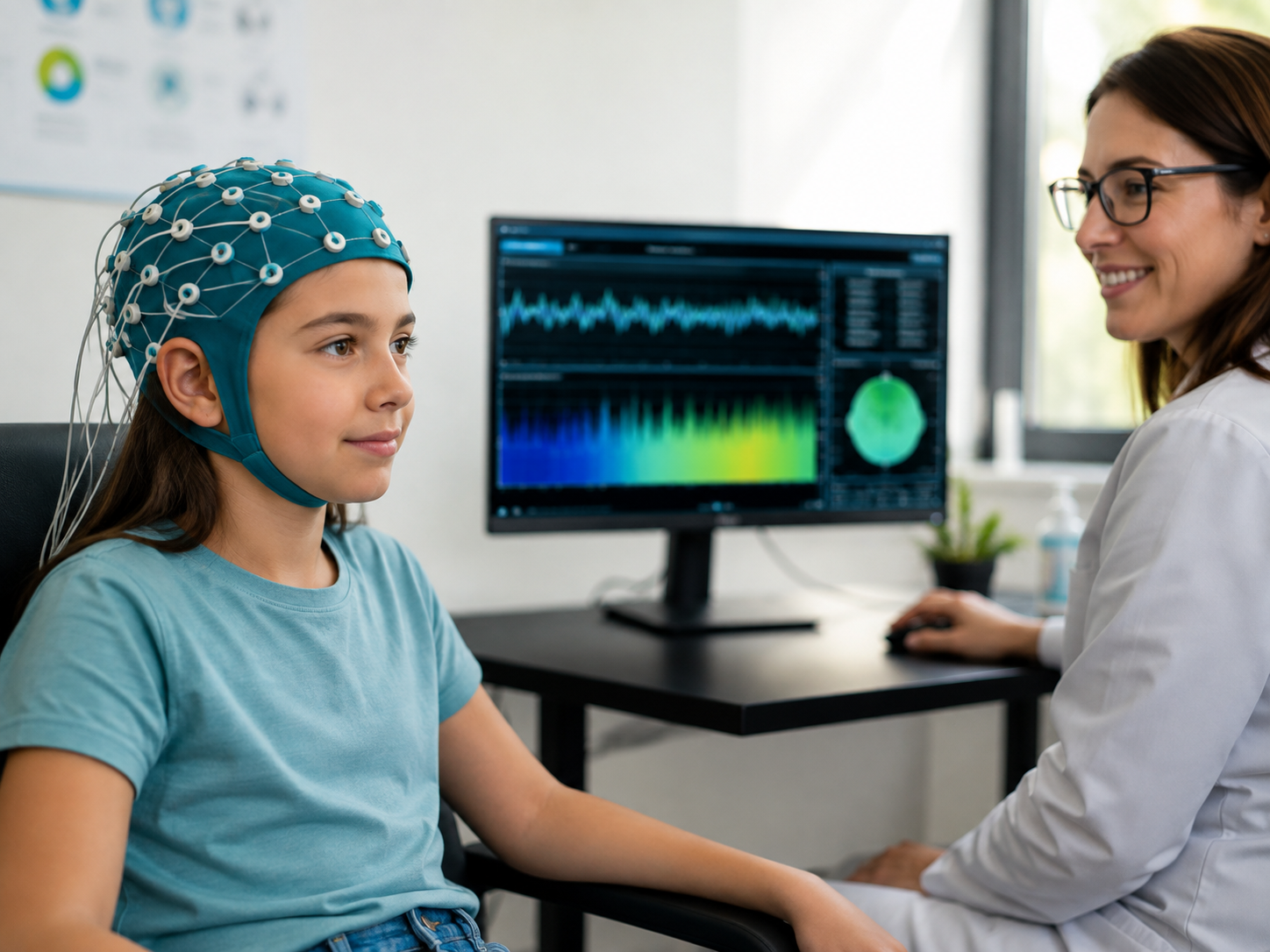
Some systematic reviews report improvements in ADHD symptoms, while blinded analyses and clinical guidelines remain more cautious. We discuss both the potential benefits and the limitations of the evidence.
Training goals differ by age and functional demands. We focus on observable outcomes such as school or work functioning, task completion, self-monitoring and daily regulation.
It should not be framed as a universal replacement. Medication and other established treatments should be discussed with the appropriate clinician.
Yes. Adults may pursue attention, executive-function and self-regulation goals when clinically appropriate.